Gallbladder Time
7 February - 29 March 2026
Jim Jasper Lumbera and Joey Alexis Singh
In his 1999 book Wisdom from a Rainforest, American anthropologist Stuart Schlegel documents an ethos particular to the Teduray people of Mindanao: “the gall bladder was the centre of human life, emotion, will and consciousness. Much like our ‘heart,’ but more so, the gall bladder was what housed one’s state of mind and rational feelings, one’s desires, one’s intentions, one’s delight or misery.” However, the gall bladder is not only significant to an internal sense of self. The organ grounds the ways in which the community interacts with one another: a “just-right gall bladder” demonstrates “a consciousness in harmony with the world.”
Jim Jasper Lumbera and Joey Alexis Singh expand upon this Teduray cosmology in Gallbladder Time by contemplating its relationship to temporality. Through multi- and new media installations, alongside new works, this exhibition explores the infinite simultaneity of memories and orality. The five pieces here converse with one another, drawing from historical threads that exist simultaneously in the present. Here, Lumbera and Singh invoke a Southeast Asian notion of time that is fluid, unmeasured and punctuated by natural events. The duo draws upon Filipino ethnomusicologist Jose Maceda who uses Southeast Asian music to argue for a temporality that is omnipresent and marked by natural phenomena, rather than technical instruments of measurement. This understanding decidedly contrasts the Western concept of time as progressively linear and standardised. Maceda summons the drone as a continuous, flowing temporal foundation over which patient, flexible pulses of music and melody unfold independently – time becomes a steady presence within which events occur, rather than a measured progression toward resolution. Schlegel’s observations of the Teduray align with Maceda’s musical insights. In attempting to take census data, the anthropologist realises that time and age were marked by the world around them – the Indigenous people do not keep time in the West’s abstract but uniform sense. When arranging to meet the following day, for example, they gesture towards the sun’s position in the sky. Schlegel writes, “This approach is much less exact than clock time, of course… but forest Teduray saw no need for such precision. Indeed, I doubt that it would have occurred to any traditional Teduray, prior to encountering a clock for the first time, that time even could – let alone should – be reckoned in such tiny units as minutes, much less seconds. In this – as in many other respects – the forest was a more humane place.” Gallbladder Time is thus an exhibition about the synchronicity of temporality that relates past to present to future. Lumbera and Singh invoke material occurrences as markers for historiographic moments, insisting on a decolonial shift away from uniformity to relativity.
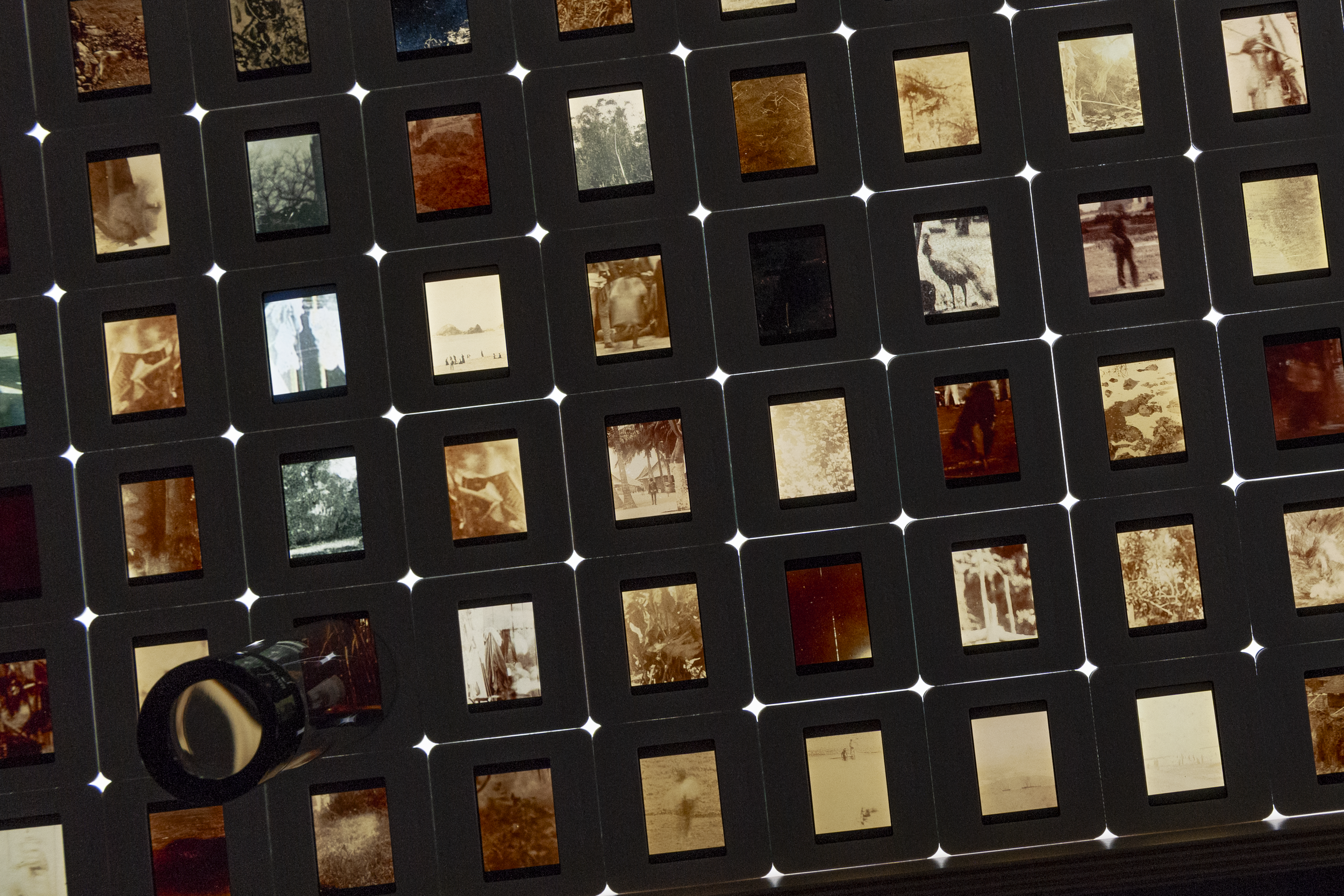
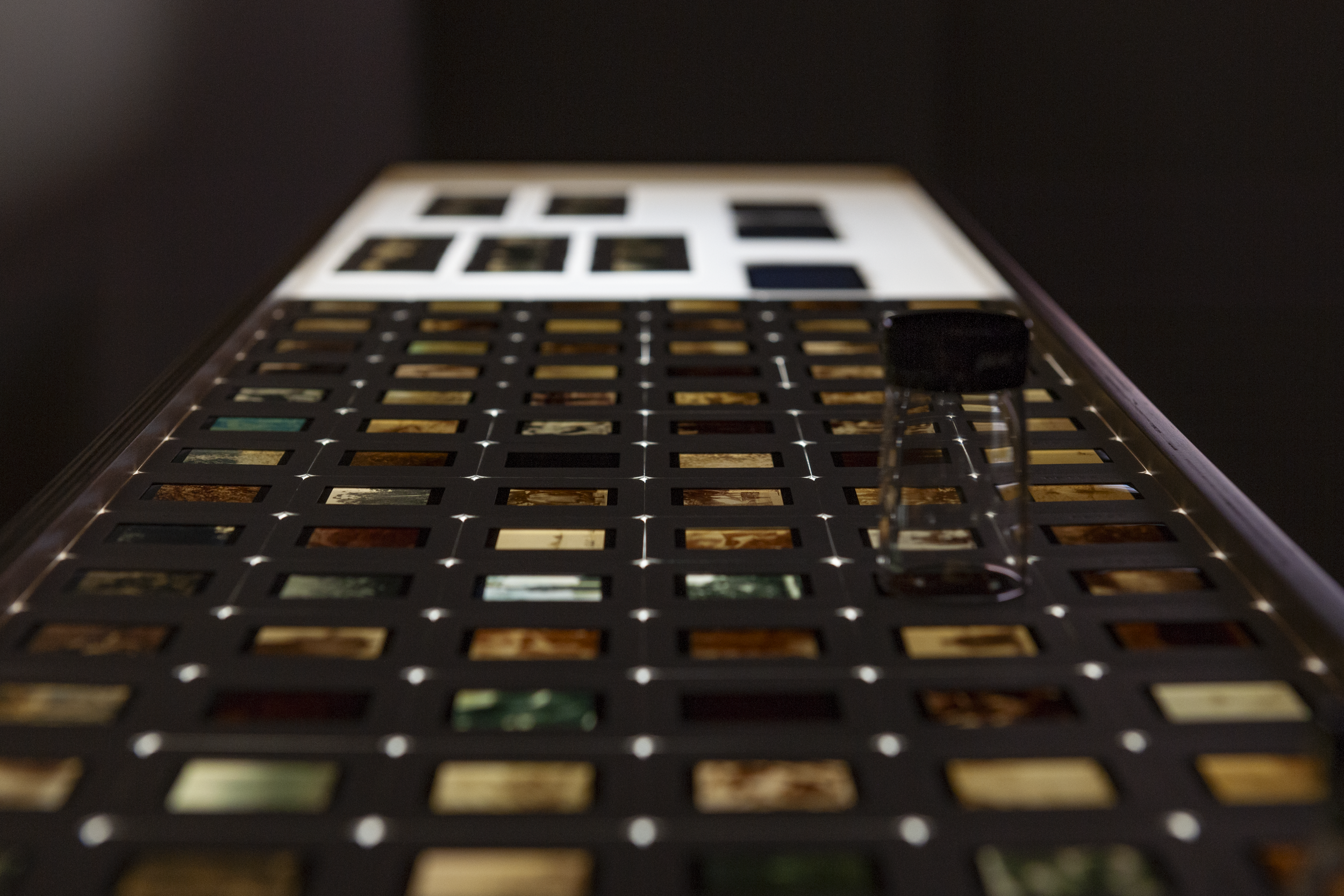
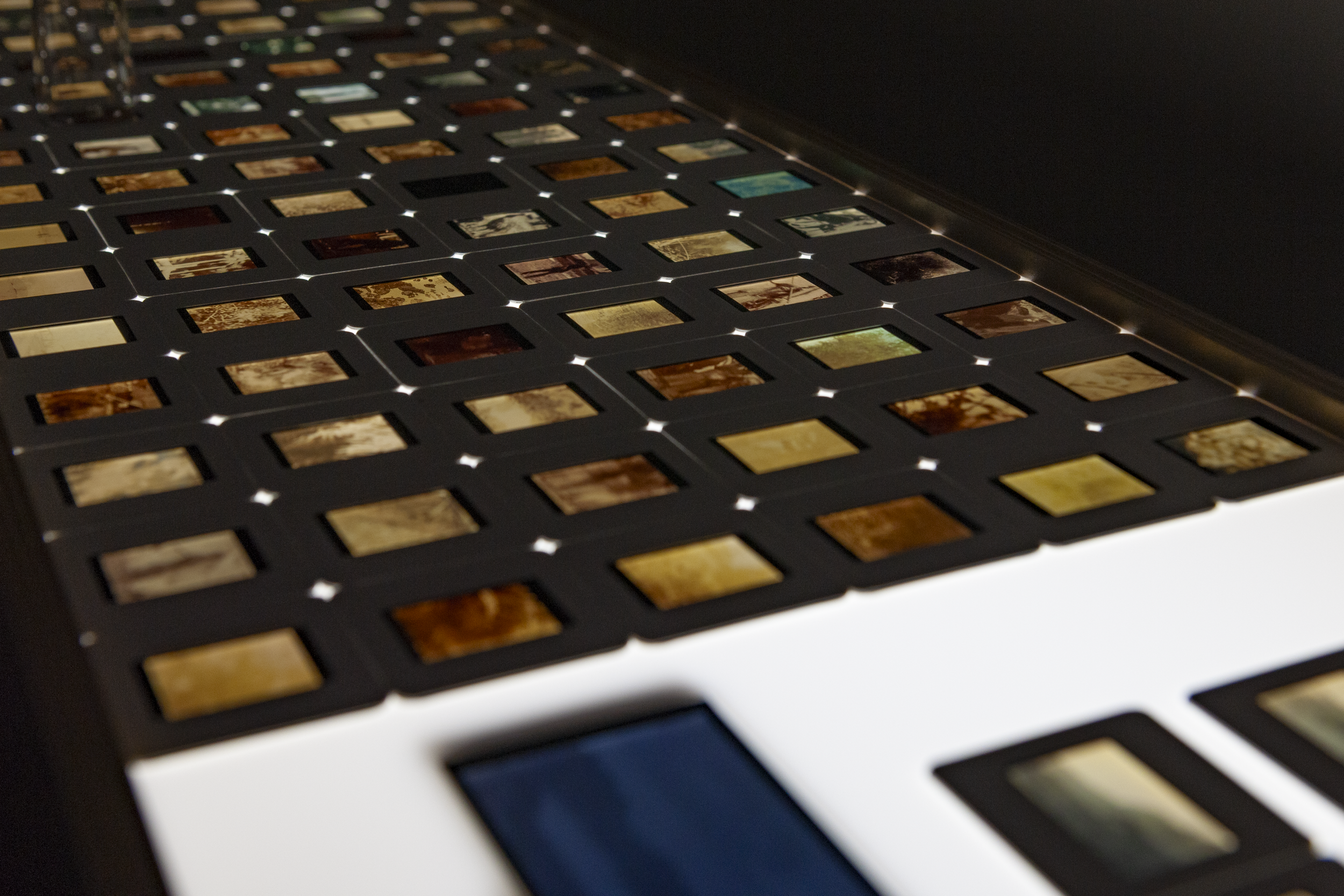
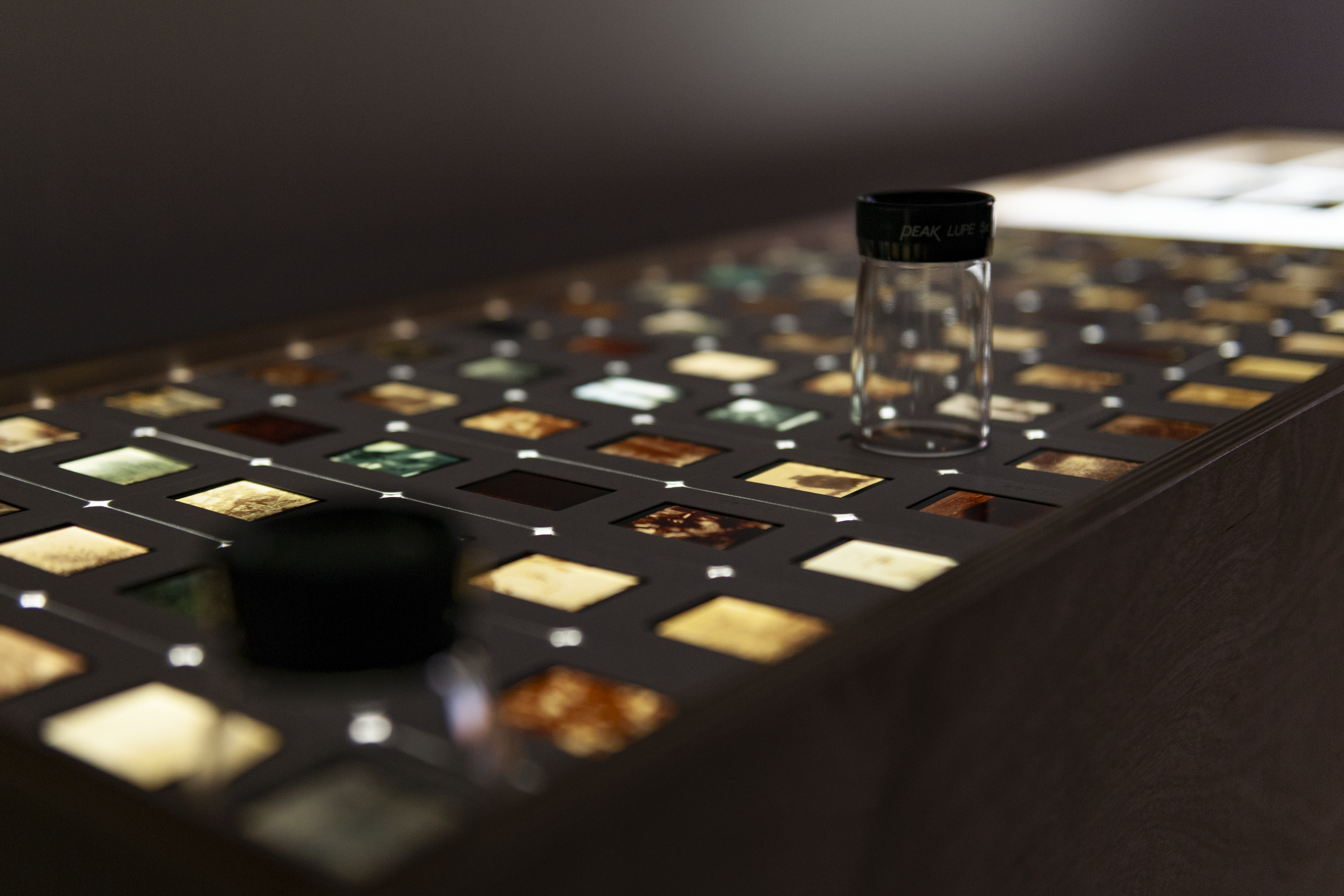
Unknown Mass Grave Site is a body of work that here consists of three components: a 35mm slide projector installation of reworked colonial images, a lightbox installation with magnifier loupes, and a three-channel silent loop video. The project conceptually begins with the Dean C. Worcester Photographic Collection at the University of Michigan. Worcester was an American official who believed in and enforced the colonial subordination of the Philippines. His 4,000+ photographs of the archipelago, taken from 1890 to 1913, have shaped American views of their subjects and, inevitably how the colonised have come to understand themselves. To interrogate this inherited gaze, the artists downloaded Worcester’s archival images, enlarged details to the point of abstraction and set them as slides. Some are projected via 35mm slide projectors, while others are illuminated by a lightbox that invite the viewer’s closer inspection through magnification. Lumbera and Singh seek to reduce the authority of images and the gaze by abstracting these visual signifiers. In one photograph the two have come across – not in Worcester’s collection – five American men stand atop a mound of skeletons. Filipino art and cultural critic Marian Pastor-Roces argues this is a mass grave for cholera victims in Batangas, where Lumbera is from. In 2020, Lumbera and Singh searched the region for indications of these burial sites but found none. Instead, in a gesture of mourning and respect, they constructed a floating monument with erected tree branches that had fallen from the surrounding forest. The memorial floated on Taal Lake in Batangas for one year. The project was commissioned by the Haus für Medienkunst (Oldenburg, Germany) and Stiftung Niederachsen, and National Asia Culture Center (Gwangju, South Korea) and live footage of the monument was streamed to the respective institutions from 2022 and 2023. Given the time difference between the three zones, the site-specific installation can be seen in night and day simultaneously. In the daytime video, people interact with the memorial or living around it; at night, the structure seems eerie as it floats over a still lake. These two channels are supplemented by a third that shows Taal volcano repeatedly erupting. The combination of these three visual components – the floating memorial in night and day with Taal – articulates a temporal suspension on one plane, complimented by repetition. Geological time and human memory endure.
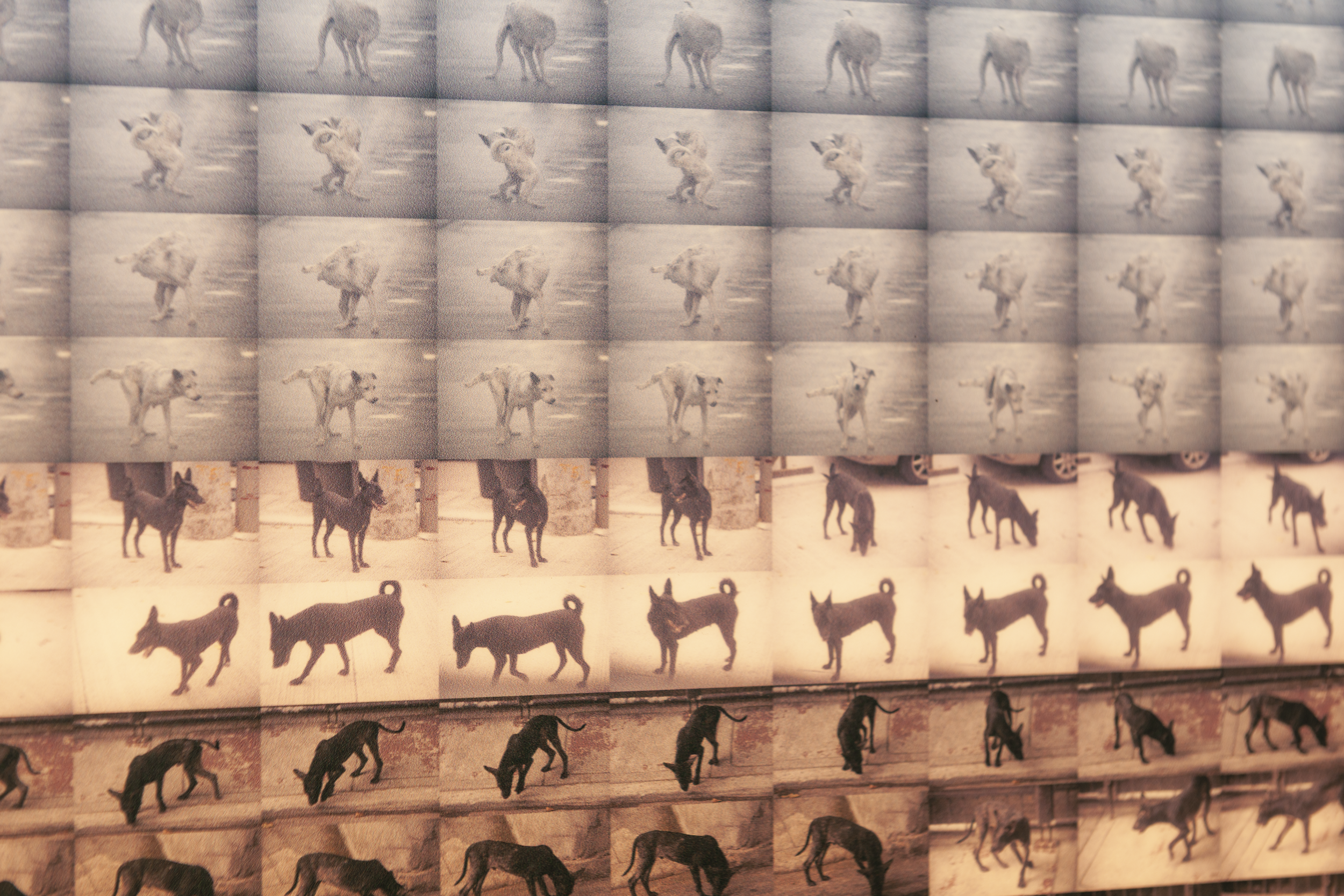
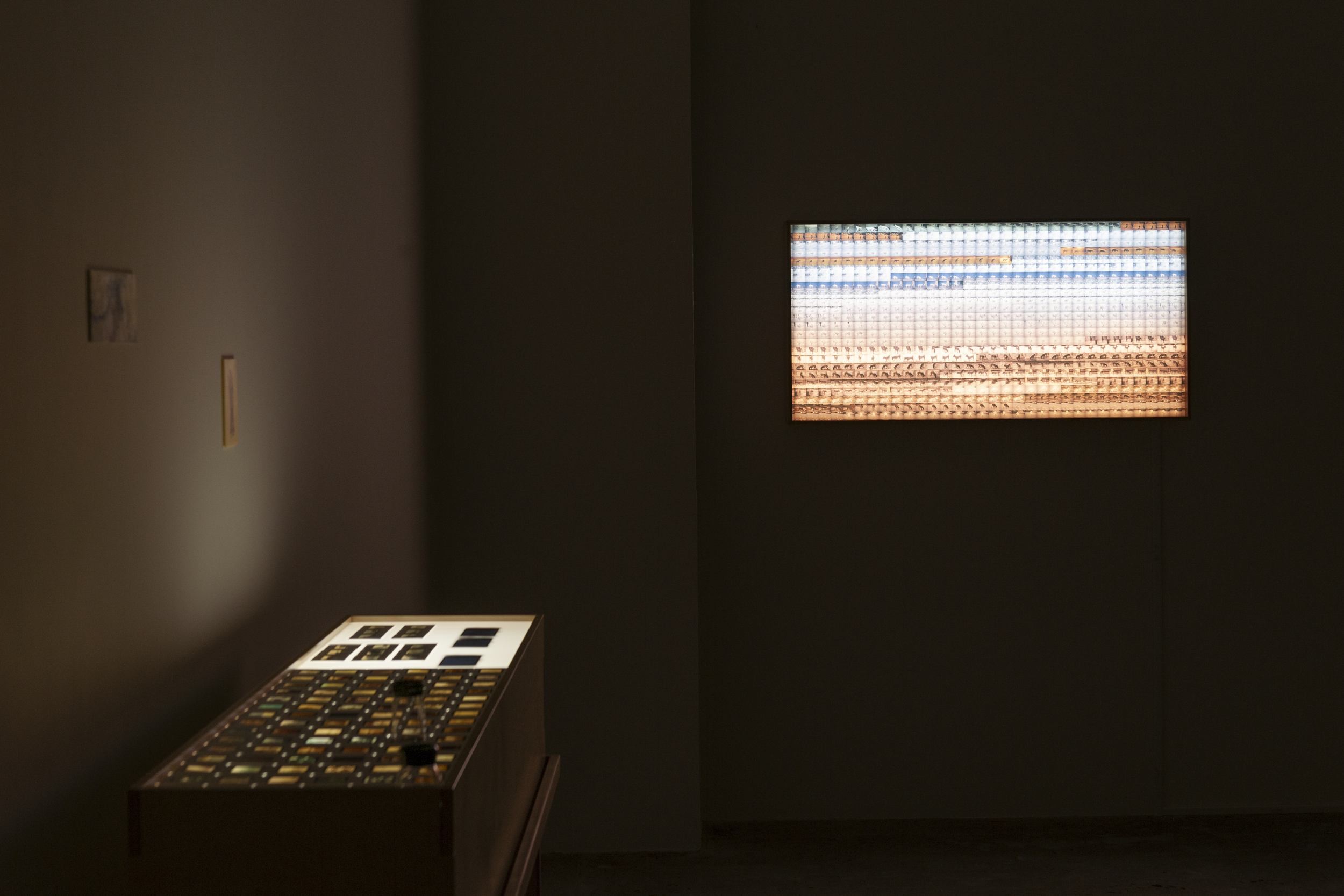
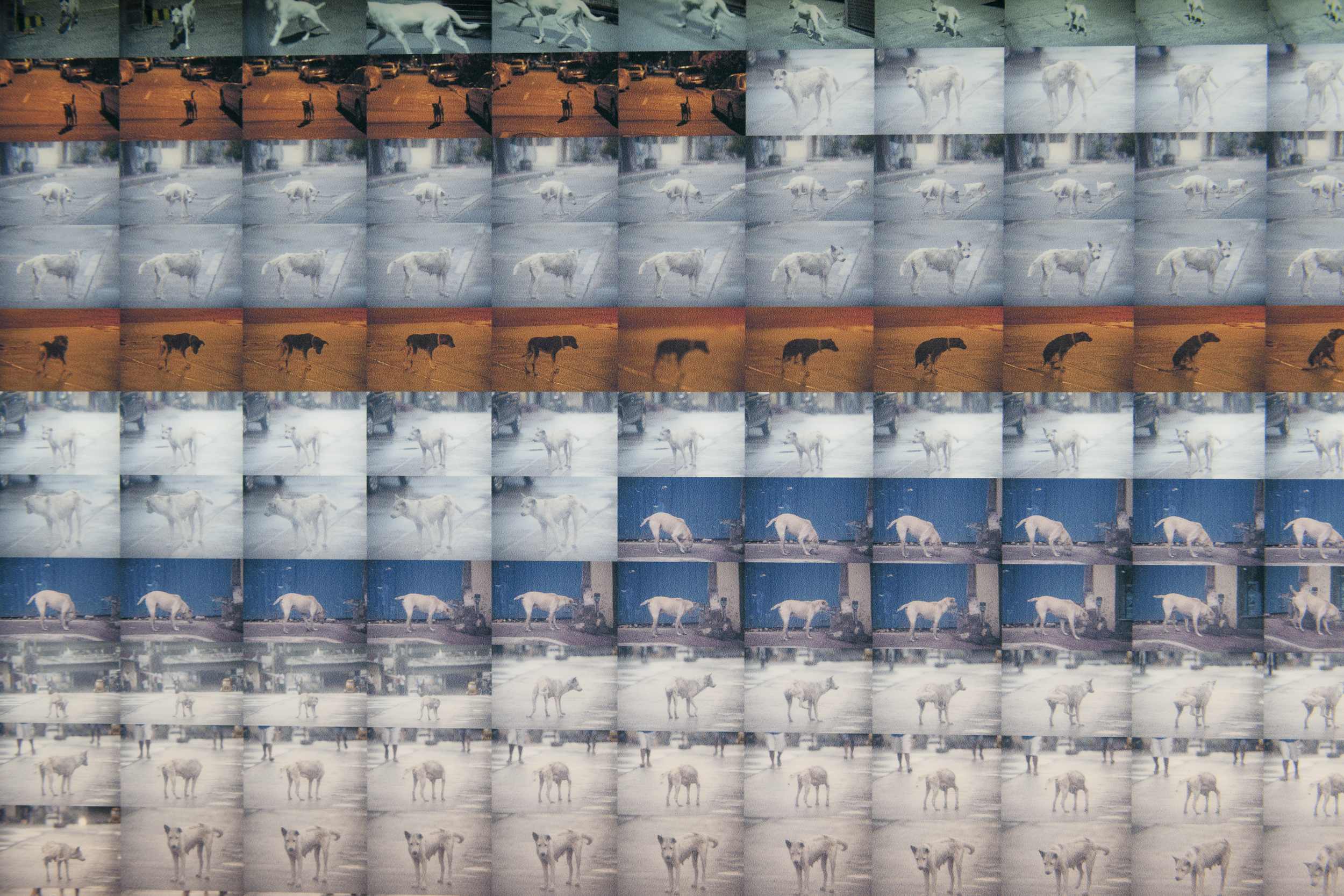
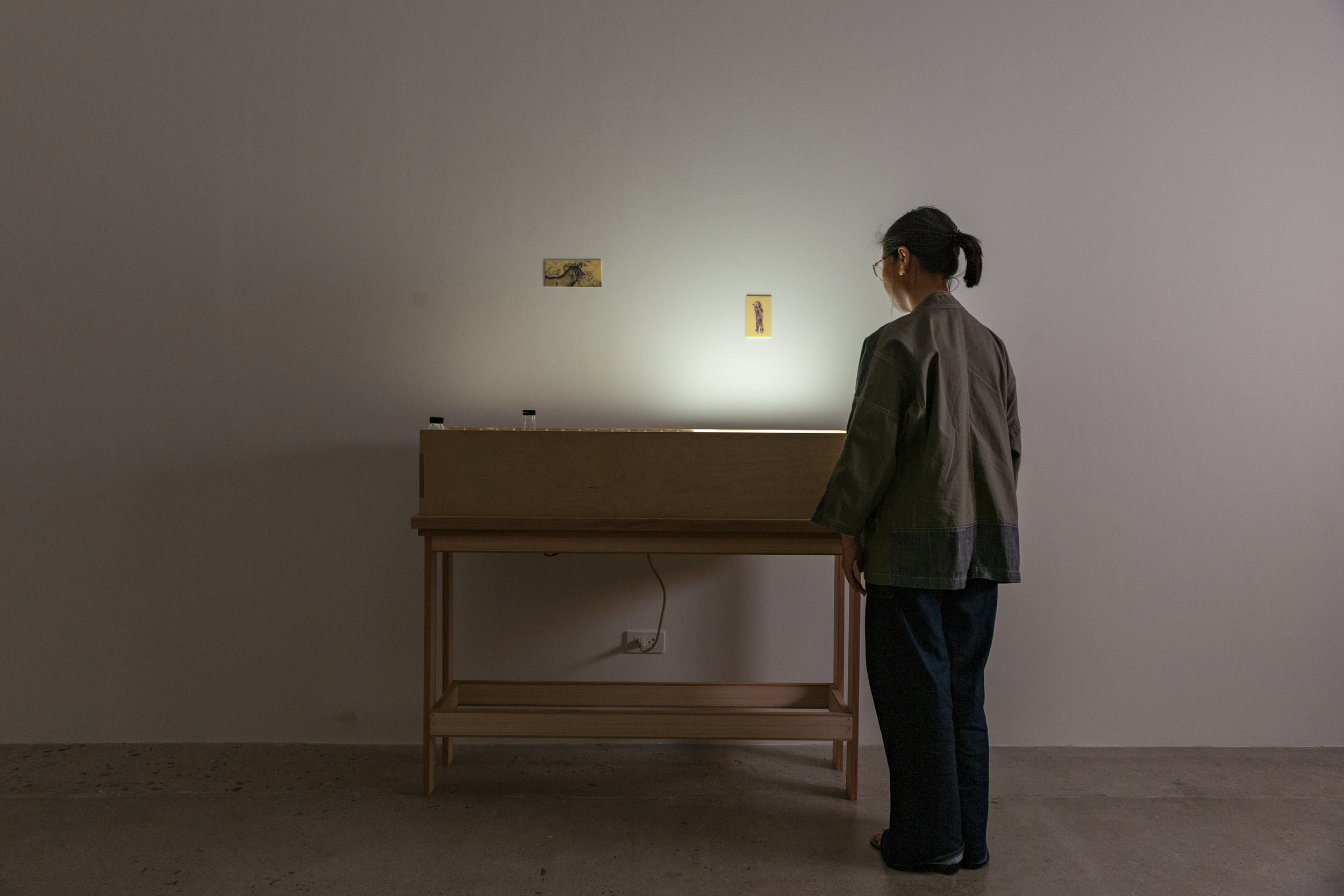
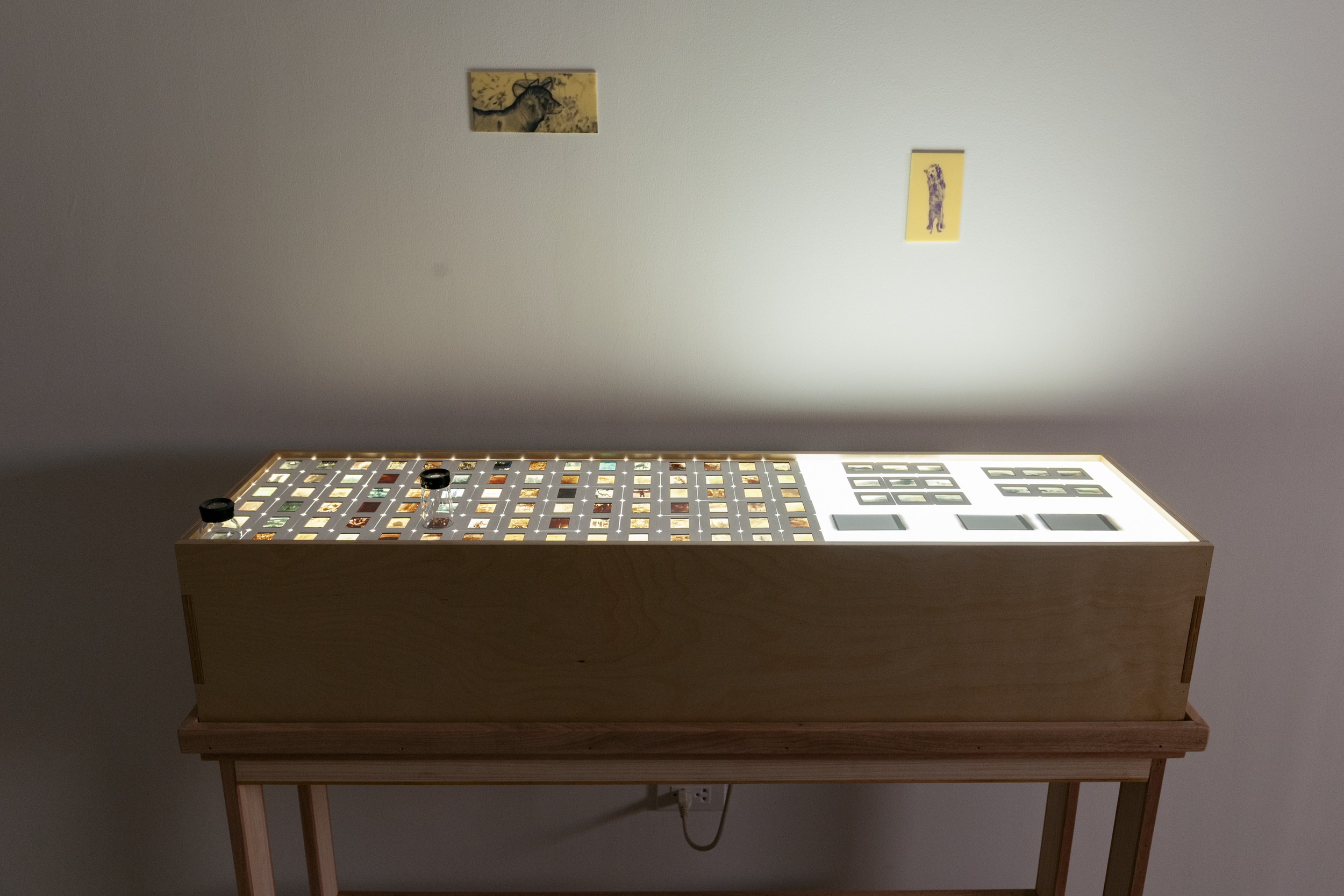
Shortly after Taal erupted in 2020, the world was placed under Covid-19 lockdown. During this time, Lumbera and Singh photographed 7,000 images of dogs around Metro Manila, where the duo lived at the time. This impetus departed from a Filipino oral belief that dates back to the American occupation that relates black dogs to pandemic: ‘a black dog ran down the street and caused the cholera epidemic’. In Return of the Black Dog Which Causes Cholera (2020), Lumbera and Singh set these photographic sequences of the stray dogs they photographed in 2020 against a lightbox, in situ for the first time. The series of each dog moving evokes the scientific study of motion popularised by Eadward Muybridge that inevitably relates to Western scientific logic that used images to capture and study motion. Lumbera and Singh’s Return of the Black Dog, however, probes how empirical knowledge relates to Filipino oral belief.
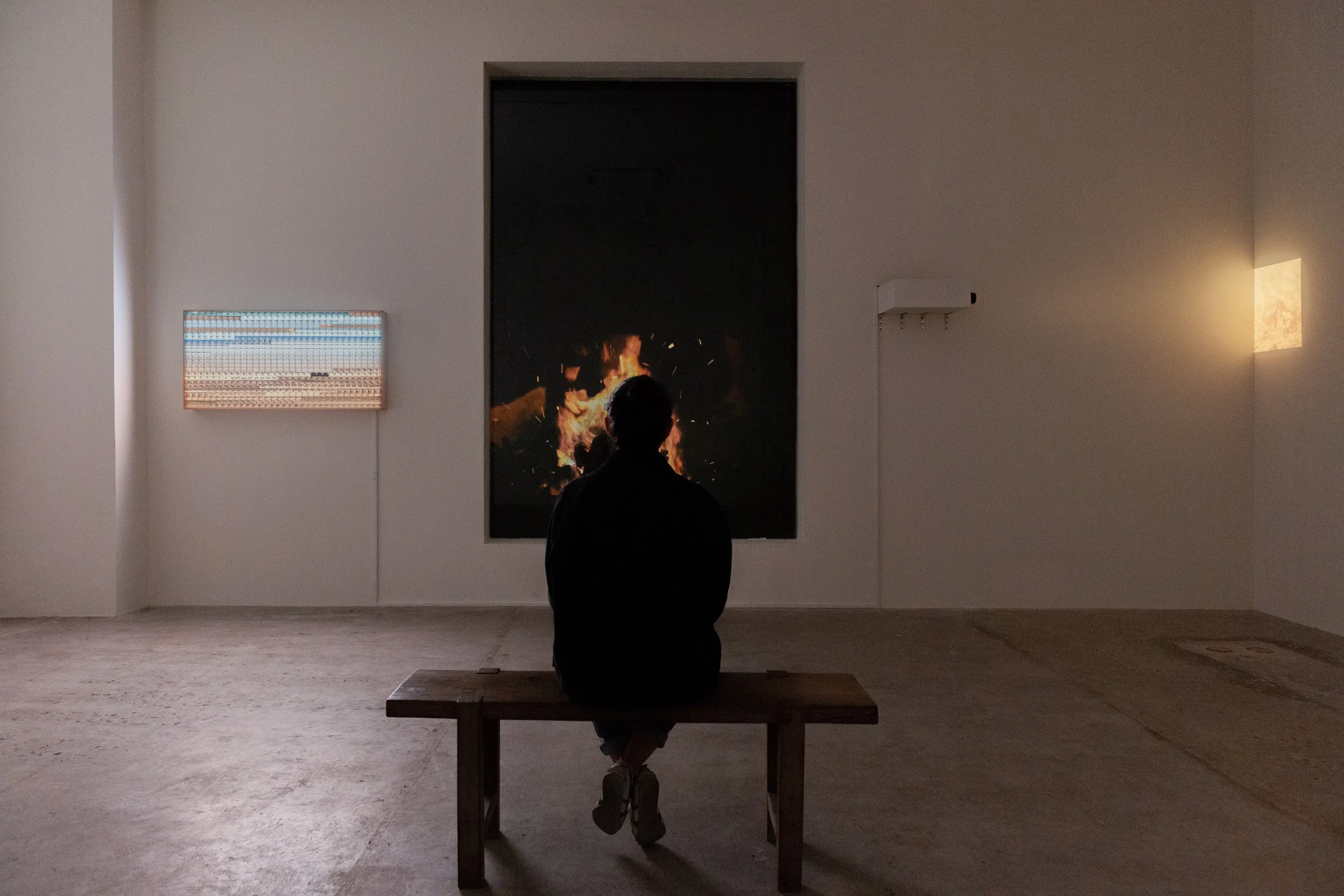
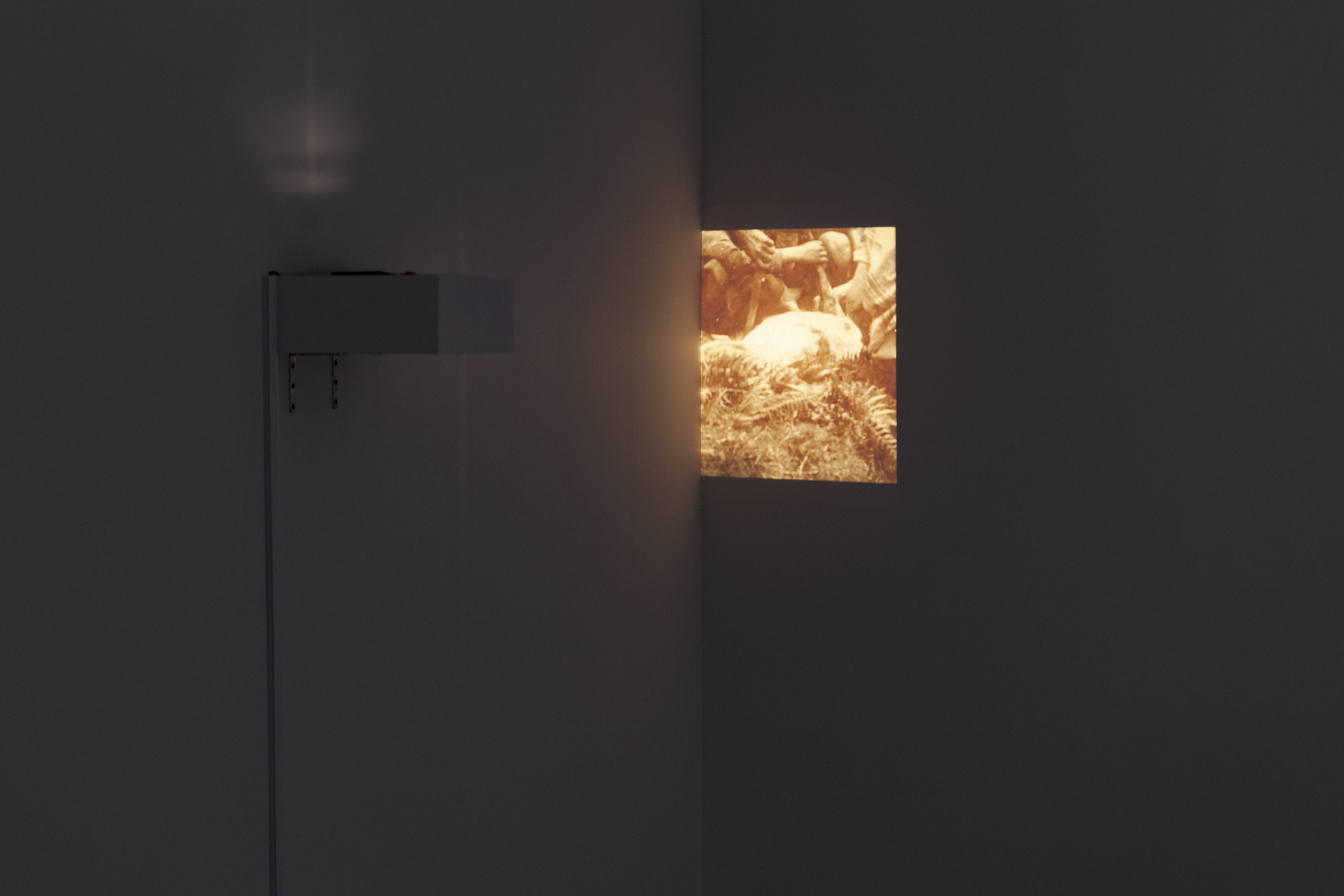
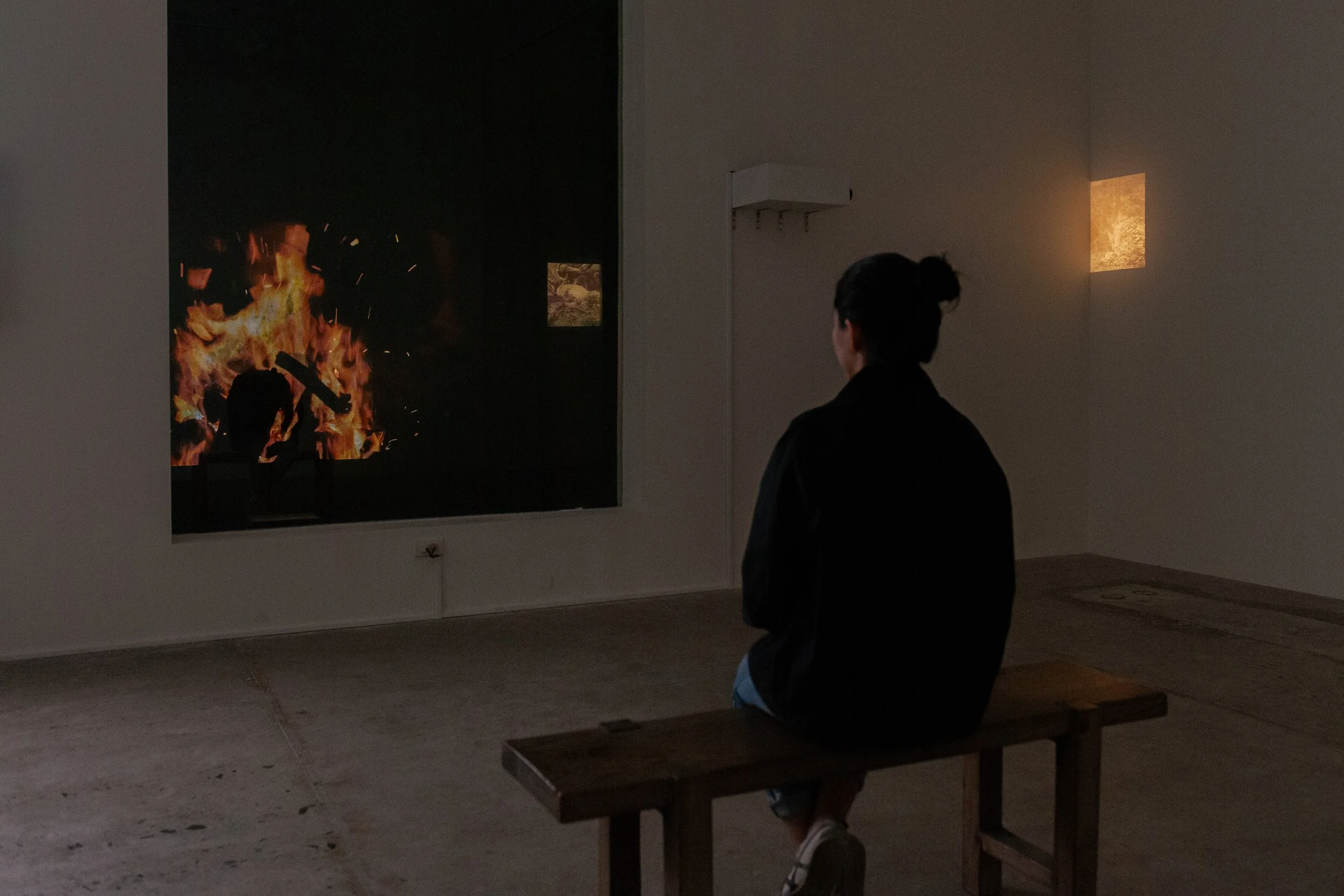
The black dog endures as a symbol in Lumbera and Singh’s practice. In a new video work titled Dogeater (2026), the camera lingers between a campfire and a man ‘dancing’ with a dog by holding their two front legs. Schlegel describes this is as a grave ‘mockery’ among the Teduray – “specifically, not respecting the dignity of animals other than humans.” The gesture of making a dog ‘dance’ disrespects the dog’s dignity “because it was not a dog’s nature to talk or dance.” According to a Teduray shaman, “‘When you don’t respect an animal’s gall bladder, you will be killed’” by drowning or lightning strike. To avoid these consequences, the wrongdoer must afterwards pick up the animal “and pass it through a big wok, as if to cook it… [this] was a purely symbolic gesture. Perhaps the thinking was that if the animal were dead and ready for cooking it could not be offended.” In this work the dog can be seen nervously glancing between their owner and the fire, but the slow meditation between the fire and dance allows the viewer to contemplate the agency of nonhuman entities. Dogeater converses directly with Gallbladder Time, the last new work in the exhibition. A 35mm slide reframes a photograph from 1900 of a group of Benguet Igorotes huddled around a deer carcass (a dog is also included in the circle). This is projected from within the gallery space unto a window that serves as a mediation between the internal and external spaces. However, the slide is gradually burned by the heat of the projection light – an accidental technological consequence that is here employed deliberately. The effect, augmented by the overlapping imagery of Dogeater and Gallbladder Time within the glass as an interstitial passage, visually and symbolically 'cooks' the dog, further relates these two new works to one another, while interrogating the American stereotype of Filipinos as dog-eaters.
Gallbladder Time establishes a rich cosmology that stretches across time, memory, orality, and decoloniality. Lumbera and Singh's various multimedia artworks draw connections between one another to emphasise and augment the tensions and cycles within the exhibition space. Gallbladder time is not just a reference to a specific Indigenous knowledge; it informs a way of being in harmony with the world.
Text by Marv Recinto
Lumbera and Singh’s The Black Dog Which Causes Cholera was commissioned through the Grants for Media Arts 2021 of the Foundation of Lower Saxony at the Haus für Medienkunst Oldenburg (Germany) with additional support from the National Asia Culture Center (Korea).